The NADCA ACR Standard: What Building Owners Should Know
The industry's consensus cleaning standard is a reference point, not a marketing badge. Here is what it actually requires and how to verify compliance.
By AirDuctSanitizingServices.com Editorial Team · 7 min read · August 7, 2026
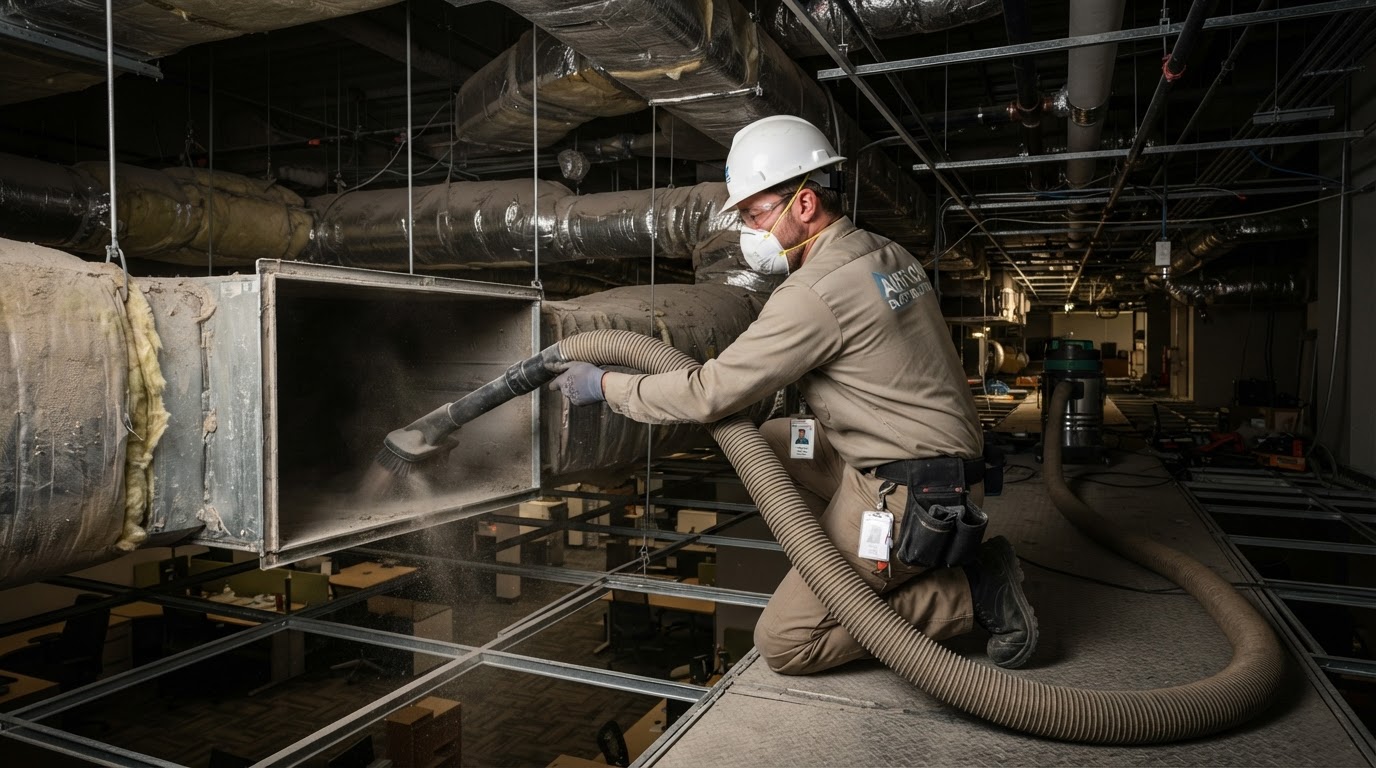
The NADCA ACR (Assessment, Cleaning & Restoration) Standard is the most widely referenced consensus document for HVAC system hygiene in North America. It defines the components that constitute the 'HVAC system' for cleaning purposes, the methods acceptable for different duct materials, and the verification criteria (the 'cleanliness verification' process) a contractor should use to prove the job is done.
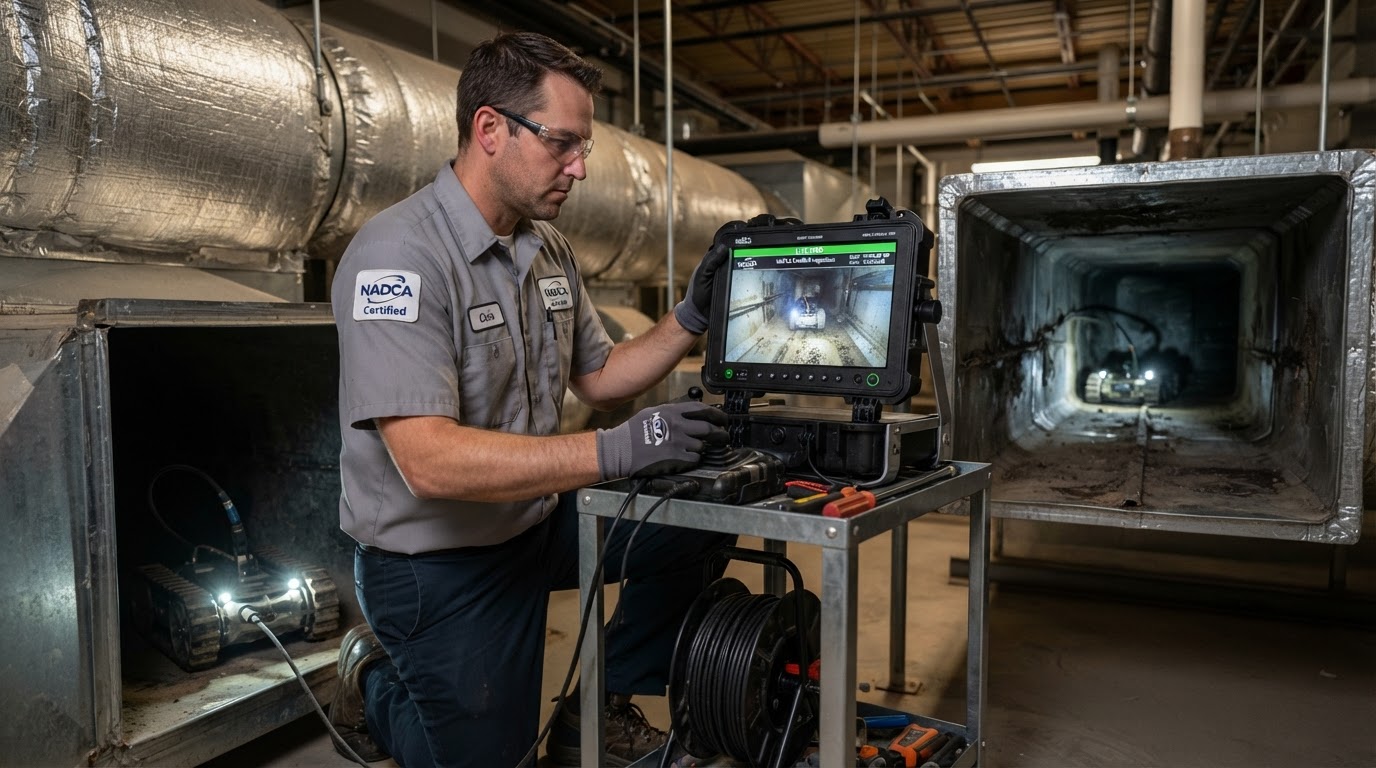
Compliance is not a badge you can buy. A contractor claiming 'NADCA-certified' should have a Certified Air Systems Cleaning Technician (ASCT) or Air Systems Cleaning Specialist (ASCS) on the project, and you can verify both the company's membership and individual certifications through NADCA's directory. Ask for the certifying technician's name and number.
The standard distinguishes between source removal — the required method for most contamination — and chemical treatments, which are permitted only as a supplement after visible debris is removed and only with EPA-registered products. A provider who proposes to 'fog' a commercial system without first removing the debris is not following the standard.
For regulated environments such as healthcare facilities, the ACR Standard is a starting point; infection-control and construction-renovation risk assessment (ICRA) procedures may add requirements above it. Use the standard as a checklist to compare bids, not as a substitute for a project-specific remediation plan.