Indoor Air Quality Testing: What to Measure and Why
Before you clean ducts on suspicion alone, an IAQ test can confirm whether the ducts are the source. Here is what a credible test includes and what the results mean.
By AirDuctSanitizingServices.com Editorial Team · 8 min read · June 19, 2026
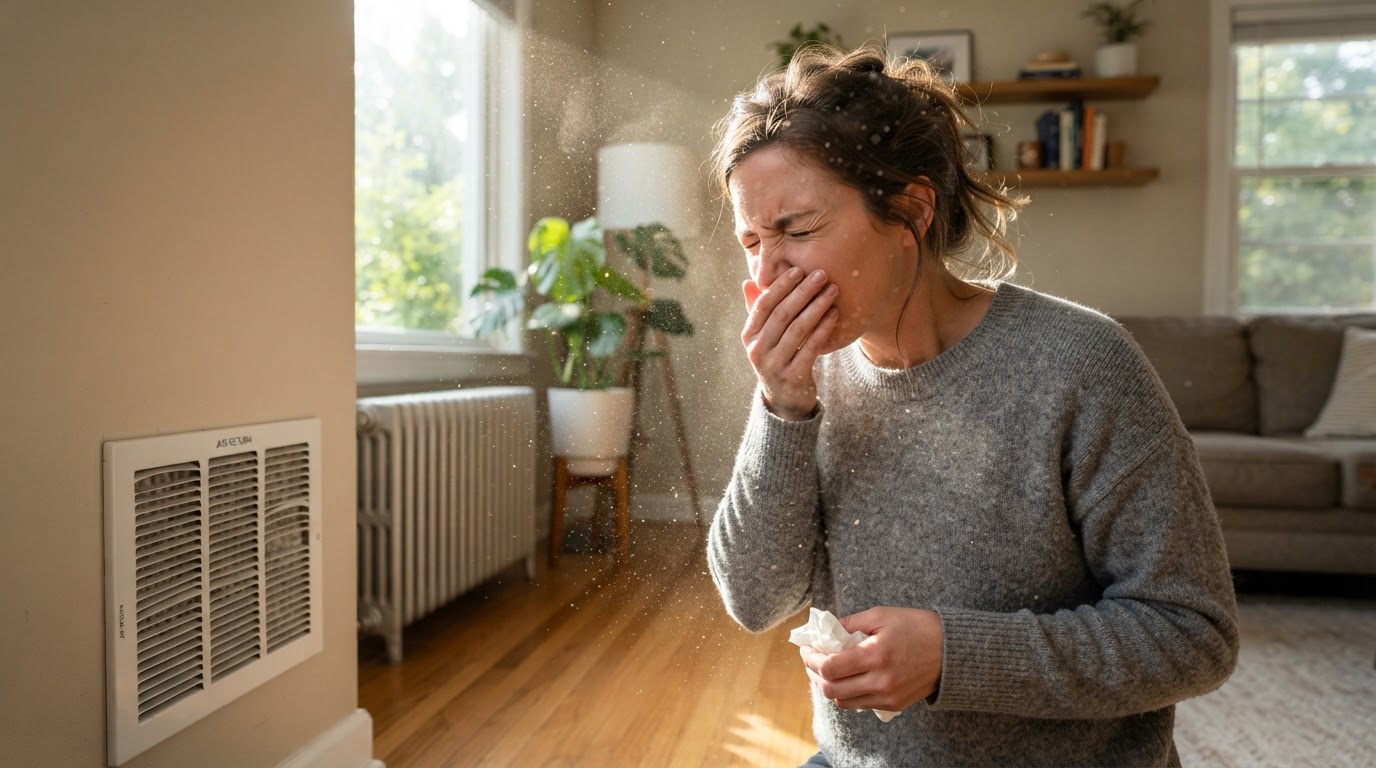
Indoor air quality testing is most useful when it is specific. A 'general air quality' scan is rarely actionable; a targeted test for mold spores, allergens, or a particular contaminant (formaldehyde, VOCs, combustion byproducts) gives you something to act on. Start by identifying the symptom — musty odor, allergy flare-ups, unexplained illness — and test for the plausible cause.
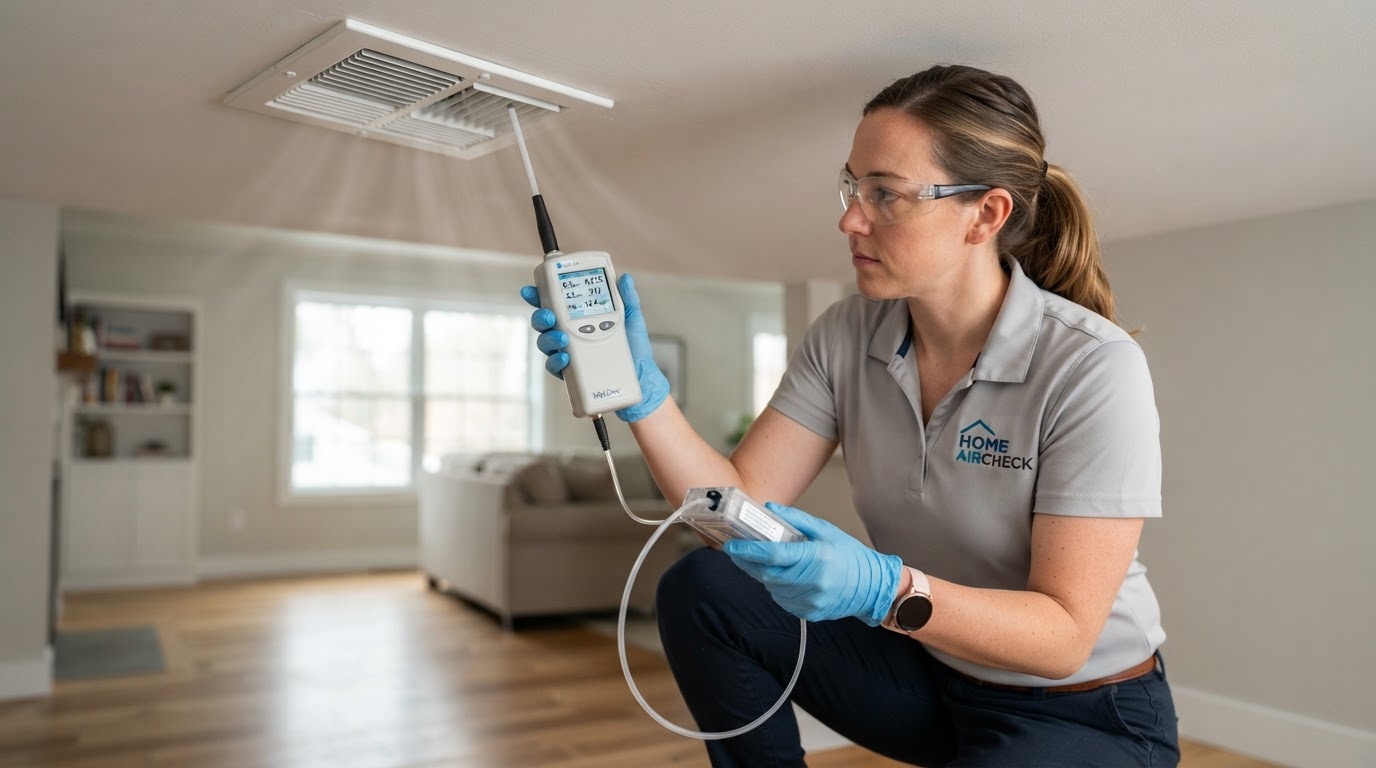
A credible mold assessment compares indoor and outdoor spore counts using spore-trap cassettes sampled at multiple supply registers and a reference location. The comparison matters: outdoor spores are always present, and a reading alone does not indicate a problem. An elevated indoor-to-outdoor ratio, or a dominant indoor spore type absent outside, is what an accredited laboratory report should flag.
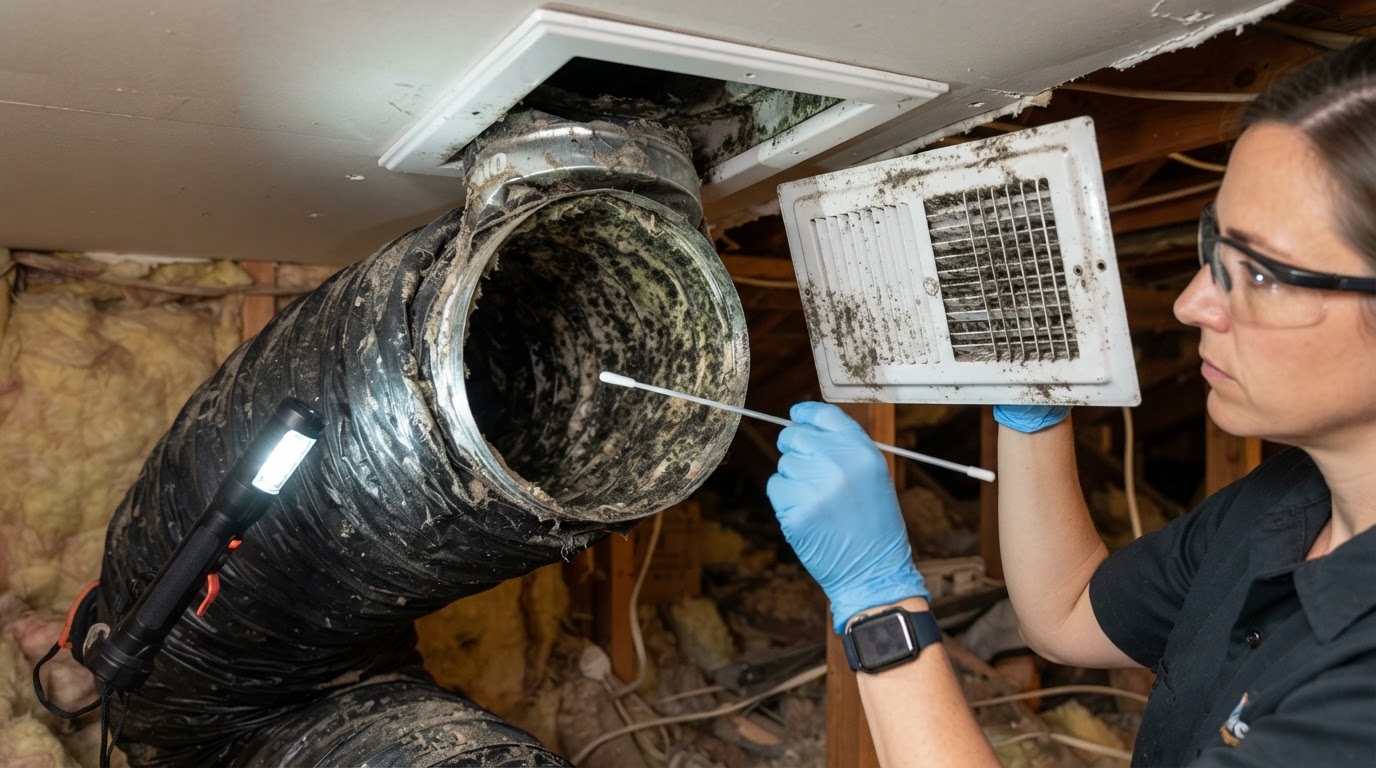
For the ducts specifically, a camera scope is the most direct evidence. Visible growth on a duct surface or a supply boot, combined with an elevated spore count at that register, confirms the duct is the source. Sampling without scoping is guessing.
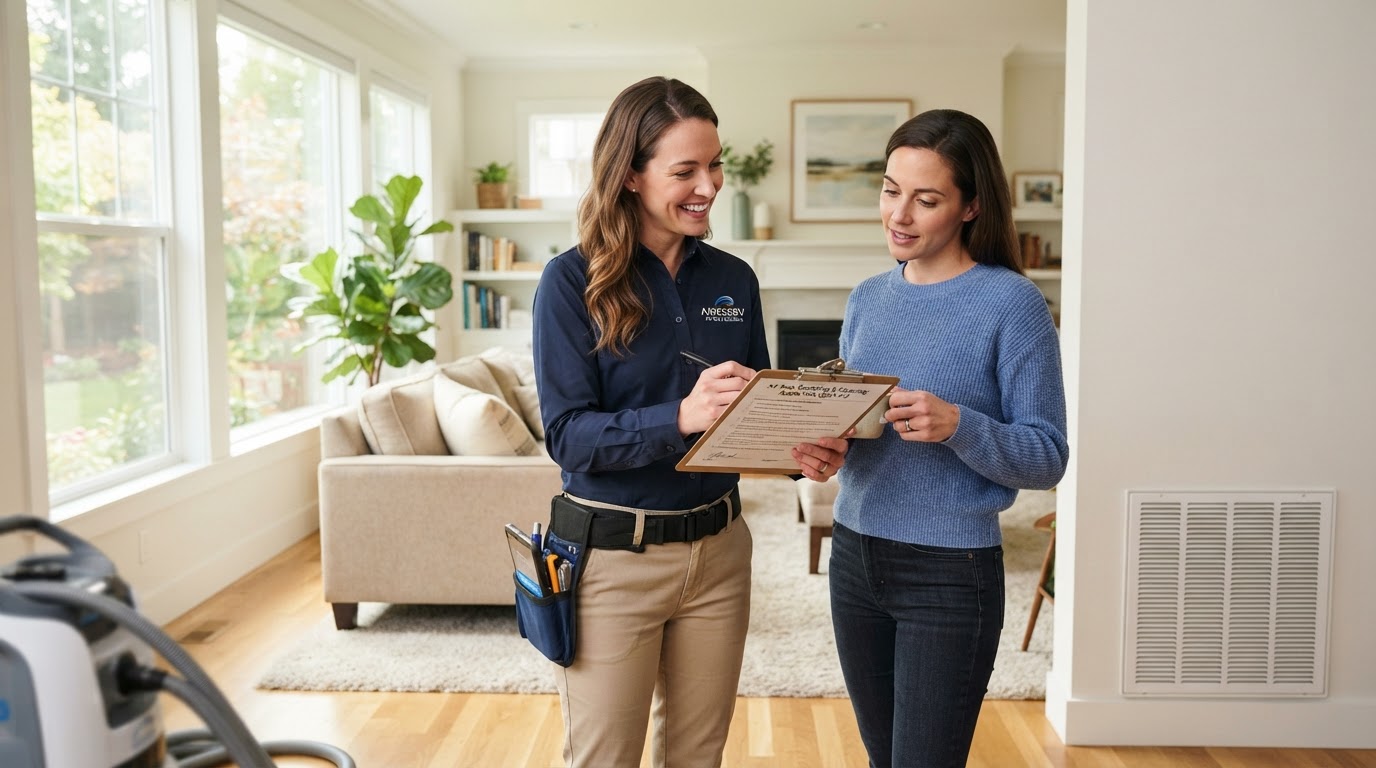
Use an independent, accredited laboratory and ask for the raw data, not just a summary. If the same company that wants to sell you a remediation also runs the test, request a separate testing firm for at least the post-remediation verification. That separation is how you confirm the cleaning actually worked.