Construction Dust, Filters, and the First 90 Days After a Reno
Why your home dusts so fast after a renovation, what to do about the ducts, and how to choose a filter that actually matches your system.
By AirDuctSanitizingServices.com Editorial Team · 5 min read · May 29, 2026
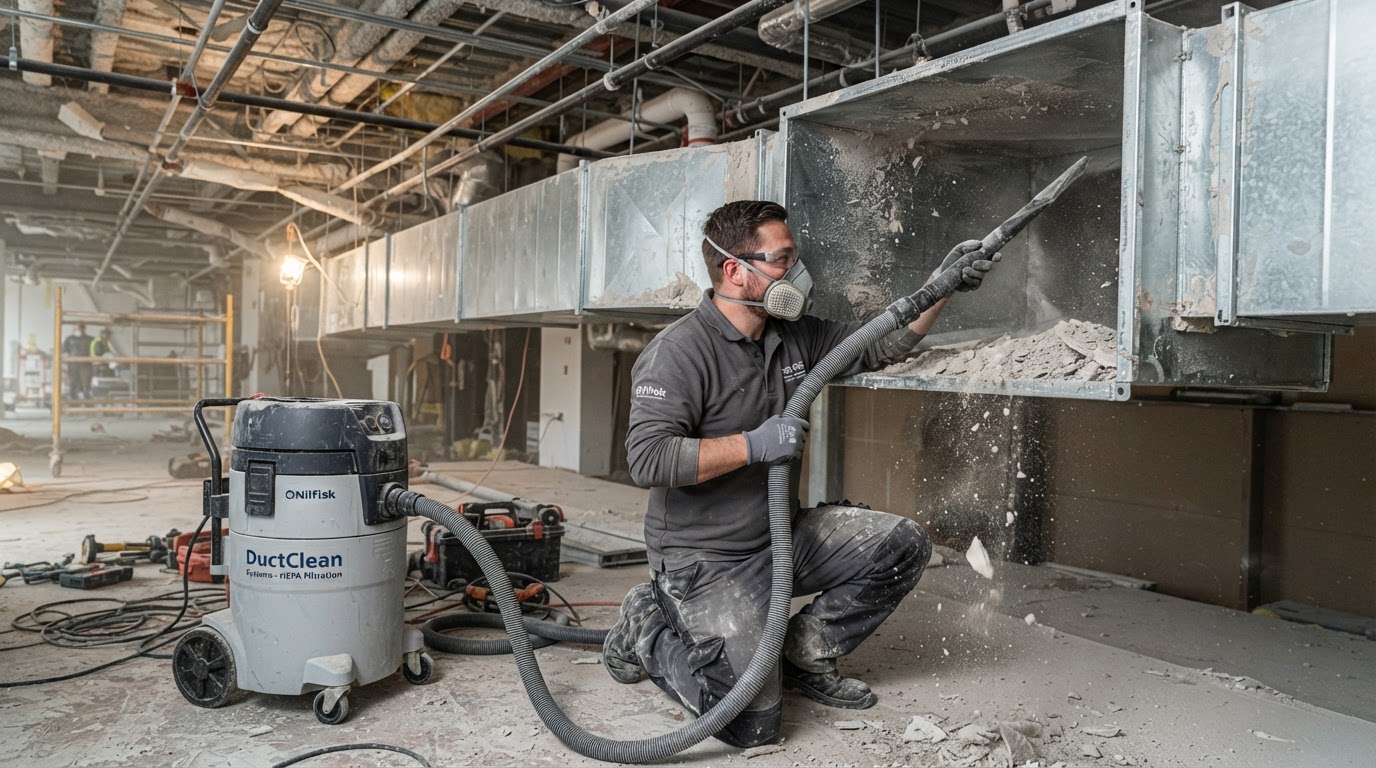
After a renovation, the fine dust that settles in the ducts and on every joist keeps re-circulating every time the system runs. That is why a freshly renovated home can dust faster than an older one — the ductwork is acting as a reservoir, releasing a little more each cycle.
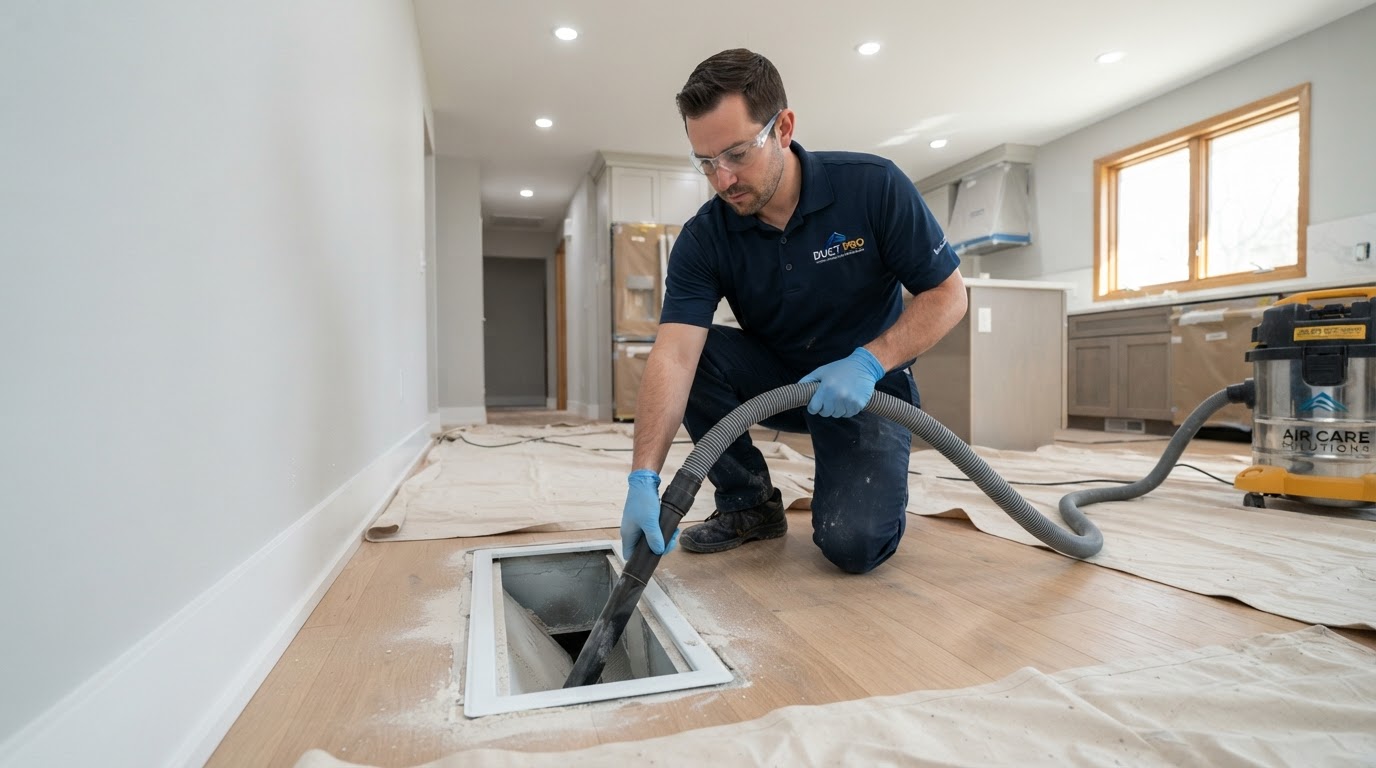
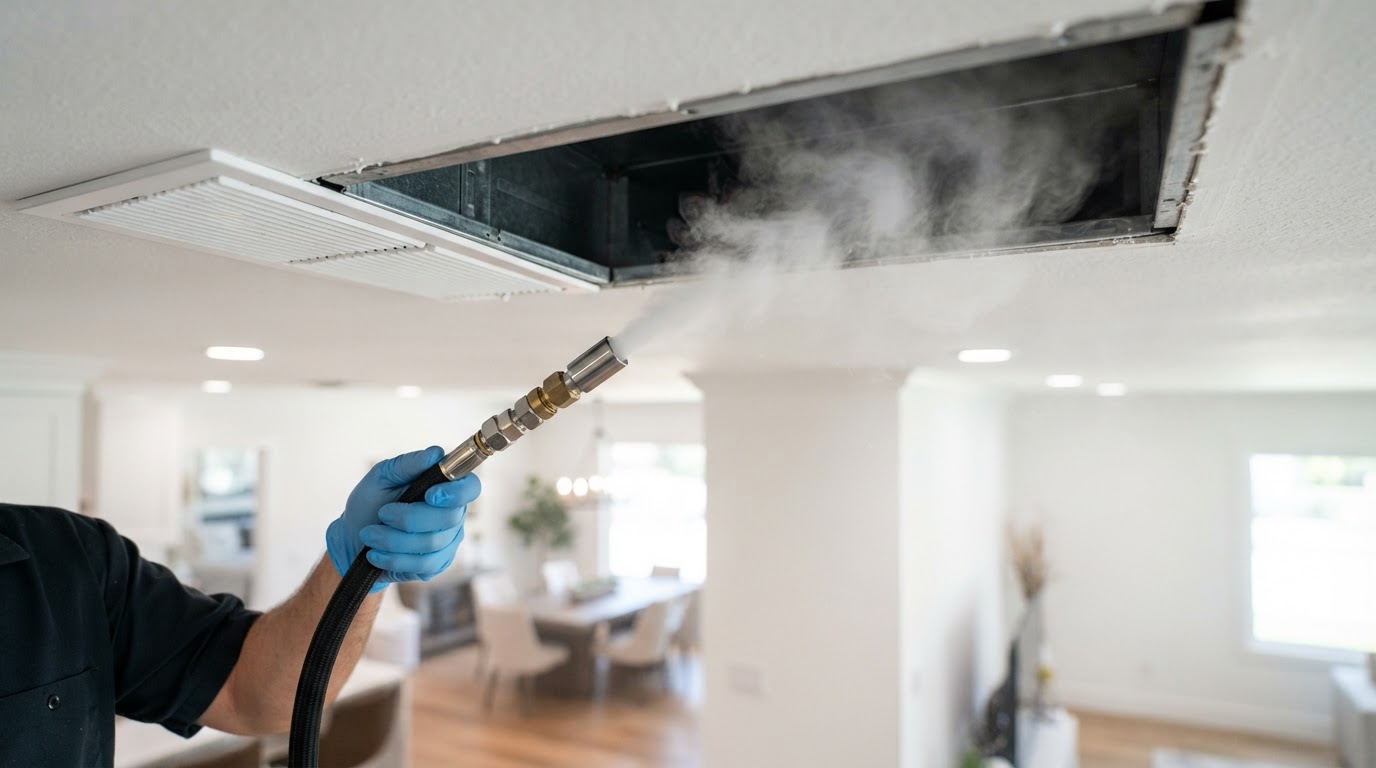
A post-construction duct cleaning empties the reservoir. Combine it with a filter upgrade so the residual fines are captured rather than redistributed. For the first 90 days, check the filter monthly; construction dust will load it faster than normal, and a clogged filter reduces airflow just like a clogged duct.
Filter choice is a balance. A higher MERV rating captures smaller particles but adds static pressure. For a typical residential system, MERV 8 to 11 is a reasonable target; MERV 13 and above may require a deeper filter cabinet or a blower upgrade. If the filter slot only fits a 1-inch media, do not chase a high MERV — the restriction hurts more than the filtration helps.
After 90 days, return to a seasonal filter change schedule and consider a maintenance duct inspection if anyone in the household has allergies. The goal is to get the system to a clean baseline and keep it there, not to chase dust with repeated cleanings.