Blower Wheel Cleaning: Why Airflow Drops and Bills Climb
A dirty blower wheel is the most common hidden cause of reduced airflow, longer run times, and higher utility bills. Here is how to spot it and what cleaning restores.
By AirDuctSanitizingServices.com Editorial Team · 6 min read · July 10, 2026
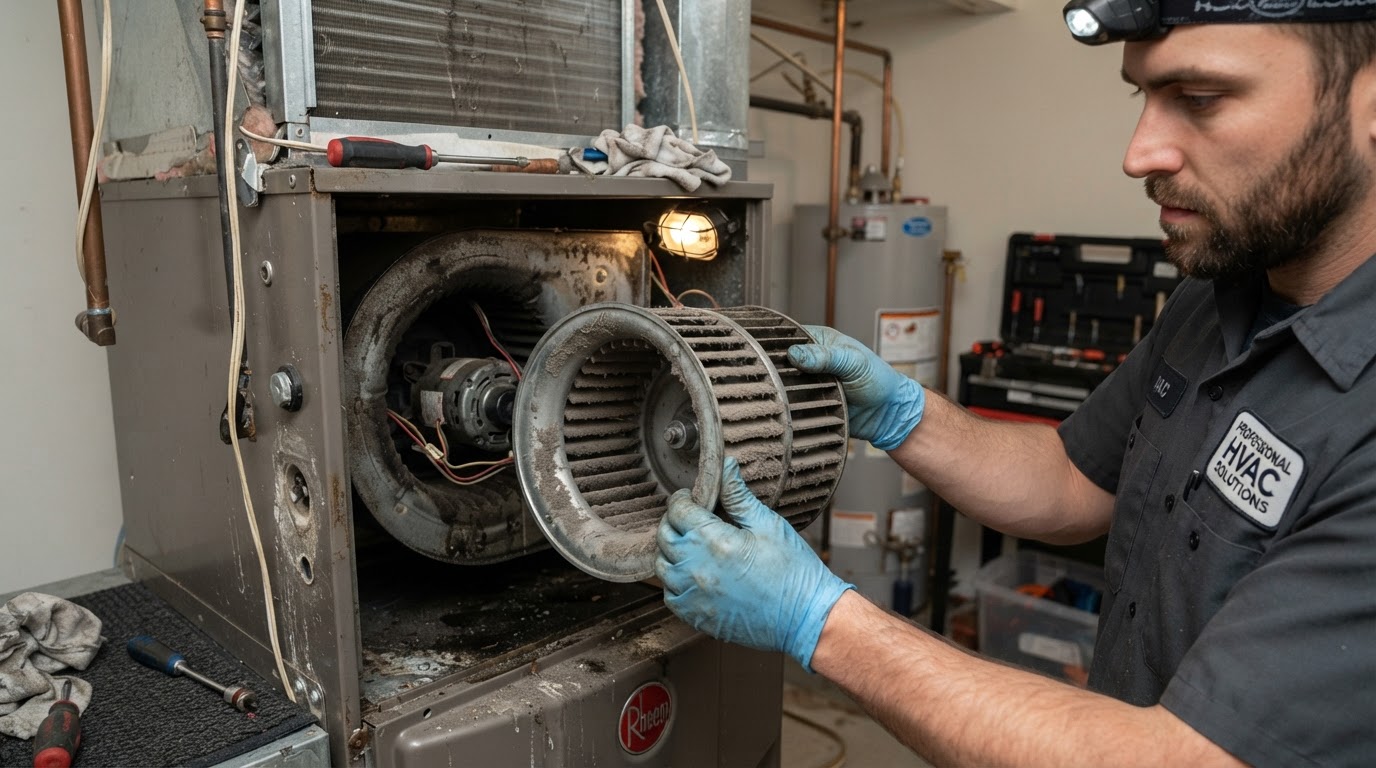
Every gram of dust on a blower wheel reduces the fan's ability to move air. The buildup also shifts the wheel's balance, which over time stresses the motor bearings. The symptoms are subtle: rooms at the end of the longest runs get less air, the system runs longer to satisfy the thermostat, and energy bills creep up.
Cleaning the wheel properly usually means removing it from the air handler, brushing each blade with a non-acidic detergent, and rinsing it so debris does not get pushed into the motor. In-place cleaning is possible on some units but is less thorough and risks wetting the motor.
After cleaning, a technician should confirm airflow has returned — ideally with a before-and-after measurement at a representative supply register or with a static-pressure check. A wheel that has been cleaned but not balanced (or one that was bent during removal) can introduce vibration, so verify the fan runs quietly before the technician leaves.
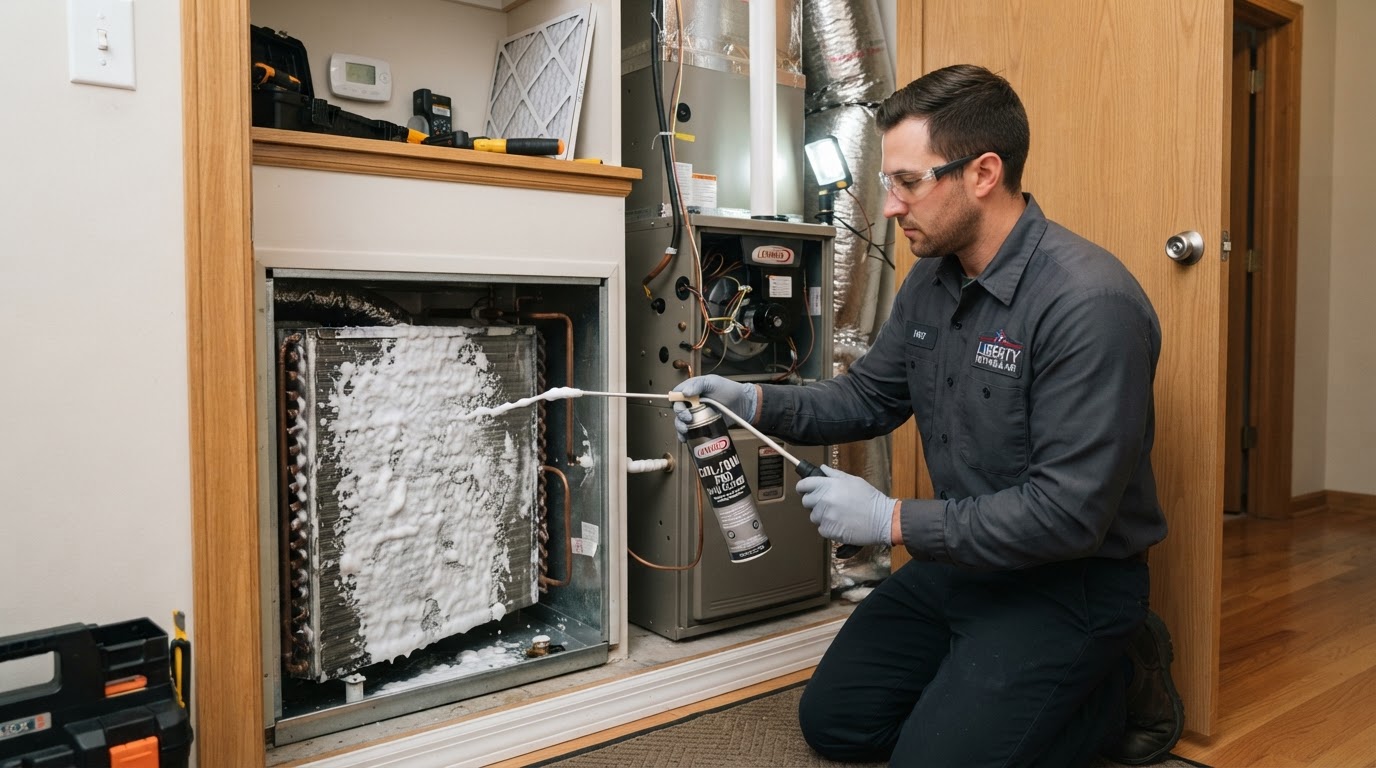
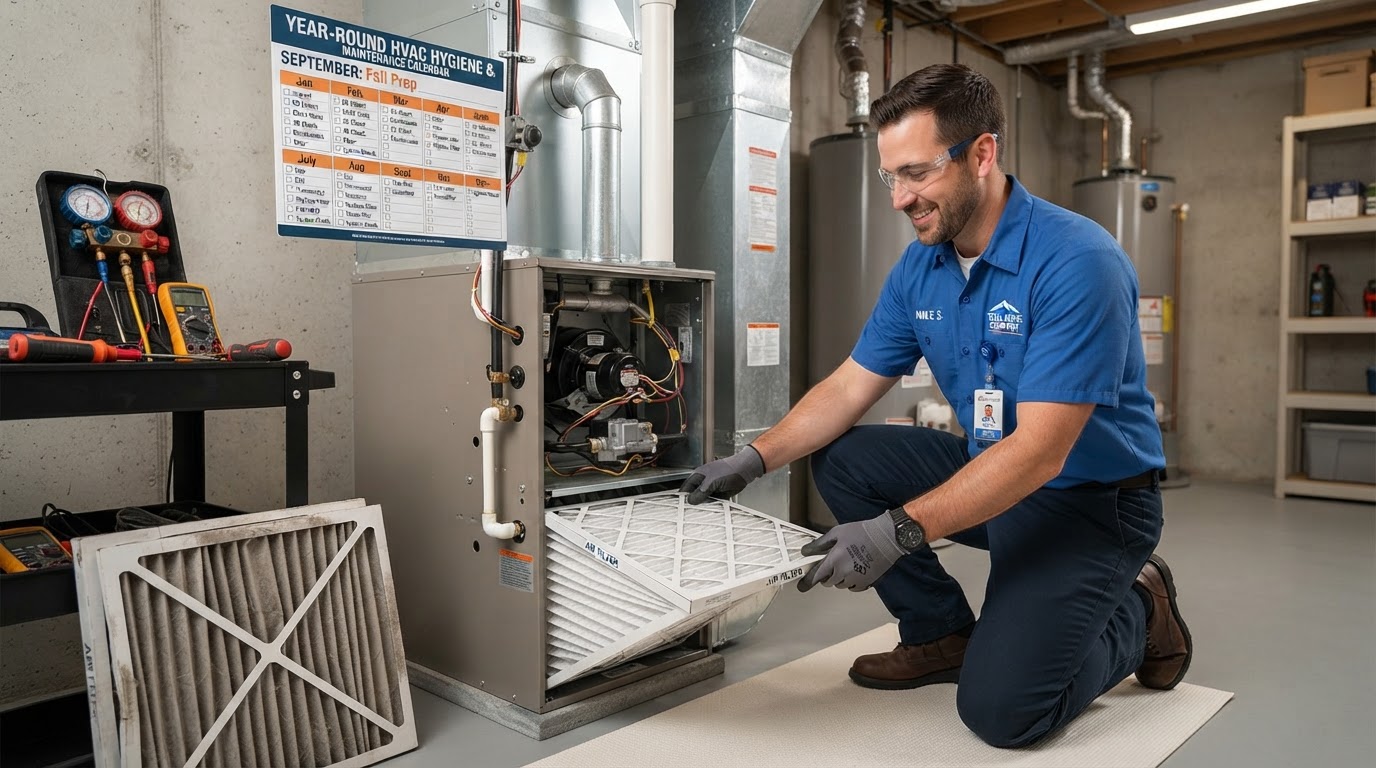
If the wheel is heavily fouled again within a year, the upstream filter is either the wrong efficiency, the wrong size, or has gaps that bypass it. Coil and blower cleaning paired with a filter upgrade is the combination that keeps the air handler clean for the longest interval.